1-Final.png)
Is Bo-Ho Anti-Culture After All?
- Jul 21, 2025
- 4 min read
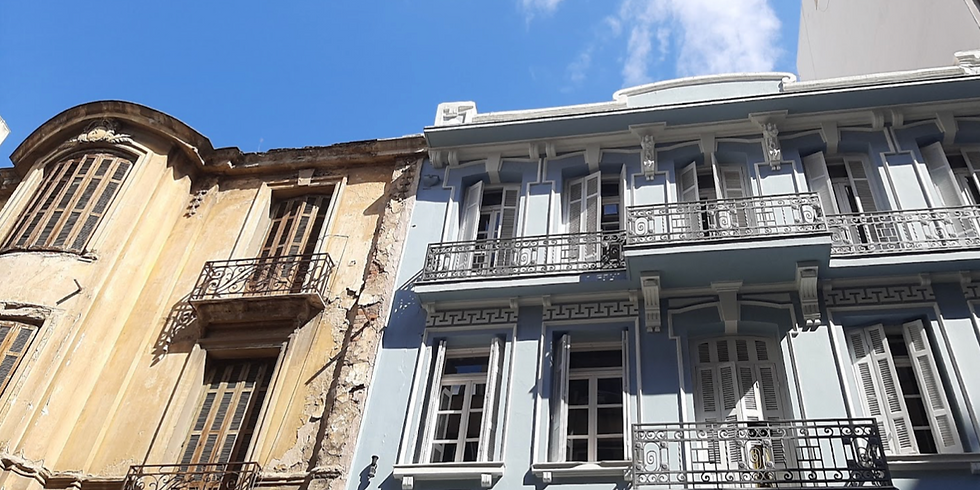
Once upon a time there were small neighbourhoods that relied on community support itself. It was not wealthy so to speak but it was rich in character and culture. It was an oasis that was underdeveloped in modernity and overdeveloped in history. Soon, however, certain bohemian crowds began to explore in search of such spots. Affordable and inspirational. So they moved in, bringing high culture spaces to these little boroughs. But with these spaces came expenses, came an audience and came the process of gentrification. Soon those who once called the neighbourhood theirs had to leave in search for affordability, kicked out by the new hipster chic era to come. These small neighbourhoods were no longer. No hasta la vista baby - just plain old goodbye.
But here we are still going to underground, hipster bars and cafes in half run down buildings because it feels cultured when in actuality it was the culture replacement.
So if Boho culture is the start of gentrification, a certain question is posed: Are bohemian personalities killing culture?
First it seems fitting to unpack gentrification itself. What has been loosely defined as the influx of wealthier people moving into a generally low-income, urban area causing an increase in pricing in order to improve the area and its resources. This means better schooling, more businesses opening, more job opportunities and better housing. However, it becomes clear that these benefits only exist for the new residents as all these changes force the original residents to eventually all move out due to the new unaffordable and unachievable lifestyle needed to stay in the neighbourhood. As a result we are left with a new neighbourhood that -as much culture that can be shoved into it- can never be reversed back into the authenticity it once held.
Gentrification has also been held to the idea that an area is becoming respectable and daresay ‘socially acceptable.’ At this point it becomes a very loaded term. Not only is it saying the way things were run were not efficient but it also seems to say they were not done respectably. Essentially we then face the ever-consistent stereotype of class division between ‘the ethical’ (middle/high classes) and ‘the unethical’ (lower classes), implying that there is a ‘need’ to help, that gentrification is a process of selflessness for the greater good. But in truth it’s the greater greed.
Not only are the new inhabitants able to easily afford their way into the neighbourhood but the struggle of the community only amplifies the ability to mould it into whatever you wish. Ergo the bo-ho.
A new dawn rises. What seems like an innocent paint touch up next door reveals a renovated interior. A smeg fridge. A miele oven. ‘Own boss’ and ‘work from home’ are the new job labels. Fashion becomes heavily designer and the old boiler suit is worn out of style, not utility. Suddenly brunch is in the lexicon. The classic filter and french press is replaced with a matcha that costs more than the minimum wage of the person serving it to you. But don’t worry - barista has become the ultimate, cultured career choice. Oh and you’re expected to like it all. To appreciate it. And don’t dare complain because this is all one massive favour, P.S. sorry but your great-grandad’s apartment is now being used as a bar serving overpriced cocktails and a playground for DJs who believe they’re next in line to play at the boiler room. But it’s all culture.
Except, what boho enthusiasts are forgetting is that the cultural niches they are begging to emanate are being wiped out by their own existence in these spaces. Their embrace of dying traditions, clothing and practices is all so important but in the effort of trying to revive them and stay intact to modern society is pushing out the original blueprints. What more is the commodification and rebranding of these authentic heritages is not true to what they signify, further losing their meaning in their endless forms of appropriation.

I see it in the modern, minimalist cafes that try to replicate the original coffee culture that Greece once had. The performative ceramic cups and tomato can plant-holders are all a lovely touch, but it’s almost like saying - you can’t have the real experience but here’s a memento you can settle for. Except if you hadn’t come in with your new cafe concept then maybe the real thing would never have to be replaced. But who knows - maybe the tenants of your AirBnB wouldn’t have cared much for the real thing anyways?
Of course boho gentrification, as hypocritical as it can be, is at least a productive form of preservation of some original culture. If we compare it to right wing gentrification, of those who are just looking for a cheap venture to make their own, boho gentrification is not the enemy. At least boho gentrification isn’t driven by anti-foreigner factors and nationalism but rather the need to create more community if they cannot be part of the original one.
So is Bo-Ho Anti-Culture? Not necessarily. Not always. But if someone invites you to a cool, cultural night in a pre-war building turned pretentious bar with tattooed people dressed in black, enter with caution: that may not be cultural, that may just be gentrification in disguise.


Comments